Best Budget Indoor Cameras That Record in the Dark
What matters in a cheap indoor camera for night recording: IR range, sensor, 2K vs 1080p, microSD vs cloud, continuous recording, privacy and product classes.
Almost every clip in the case files on this site came from a camera that cost less than a night out. The budget end of the indoor camera market is crowded, and most of the boxes make the same promises: 2K, colour night vision, AI detection, cloud storage. Very little of that tells you whether the thing will record a usable picture of your hallway at three in the morning.
This guide covers what actually determines night performance, then describes three product classes worth looking at, with search links so you can check current prices yourself. It ends with a warning about where not to put a camera.
What actually matters at night
A short list, in rough order of importance.
Infrared range and LED count. The camera lights the room with its own infrared lamps. More and larger LEDs reach further. Manufacturers quote a range in metres; halve it for a realistic figure, because the quoted number usually describes where a face becomes a grey smudge rather than where it is recognisable. For a normal room, anything rated for the high single digits of metres is adequate.
Sensor size, not just resolution. A 2K label on a tiny sensor produces a picture with more pixels and more noise. In the dark, a good 1080p camera with a larger sensor and a bright lens often beats a 2K camera with a smaller one. You will not find sensor size on most budget listings, so use reviews with actual night footage as your proxy.
2K versus 1080p. Where the sensor is comparable, 2K is worth having. It gives you room to crop into a corner of the frame and still read a face or a logo. The cost is larger files and more strain on Wi-Fi, which matters if you run more than two cameras.
Local storage versus cloud. A microSD slot means the camera keeps recording even if your internet drops, your subscription lapses, or the company shuts its servers. Cloud storage means you keep the clip if someone steals the camera. The best cheap cameras offer both. Avoid any camera that only records to the cloud and only with a paid plan.
Continuous versus event recording. Event recording saves short clips when motion is detected, usually 10 to 30 seconds, and misses everything before the trigger. Continuous recording to a microSD card gives you the whole night, which is exactly what you need when trying to work out what caused a strange clip. Check that continuous mode exists and does not require a subscription.
Field of view. Wider lenses see more of the room but push everything further away. Around 110 to 130 degrees is a sensible middle. Very wide lenses distort edges and reduce IR reach at the corners.
Privacy shutter. A physical cover, or a pan-tilt camera that can turn to face the wall, matters if the camera lives in a shared space. Software "privacy mode" is only as trustworthy as the firmware.
Works without the cloud. Can you view and record locally if the internet is down? Can you export from the card without the app? Cameras that support standard streaming protocols like RTSP or ONVIF let you use them with third-party software later, which is worth a lot when a company changes its terms.
Class one: budget 2K indoor camera with microSD
This is the workhorse. A fixed-position camera with 2K resolution, a ring of IR LEDs, a microSD slot, and an app that supports continuous recording. Brands such as TP-Link Tapo, Wyze, Eufy and Xiaomi all sell cameras in this bracket, and they are broadly similar in what they capture at night.
Look for a model that records continuously to the card without a plan, that supports a large card, and that lets you download full-resolution clips rather than screen-quality ones. Avoid models where the night mode cannot be locked on, since automatic switching between colour and IR mid-clip is a common source of strange flashes.
## Class two: pan-tilt camera for a large roomA pan-tilt model turns to follow motion and can be aimed remotely from the app. In a large open-plan space or a room with an awkward layout, that flexibility can replace two fixed cameras.
The trade-off is that a camera in motion produces motion blur and reflections from its own movement, and the tracking can chase a curtain all night. Turn auto-tracking off for overnight recording and use the pan-tilt only to set a fixed view. Reolink, Tapo and Eufy all make affordable models in this class, and most of them include a physical privacy position where the lens tucks into the body.
## Class three: compact camera for a hallway or nursery cornerSometimes the requirement is a small camera on a shelf or a magnetic mount that will not draw the eye. Compact cubes and tiny cylinders from Blink, Wyze, Xiaomi and similar brands fit this role. They usually have fewer IR LEDs and a shorter range, so they suit hallways, landings and small rooms rather than a full lounge.
Check whether the compact model records locally. Some in this class are cloud-first, with a small local buffer at best, and some need a separate hub for any local storage. A compact camera with a microSD slot and continuous recording is a better buy than a slightly sharper one that only saves 20-second clips to a subscription.
## Class four: colour night vision with a spotlightSome cameras add a small white LED that switches on with motion to give colour footage at night. This is helpful for identifying clothing or a vehicle, and less helpful for quietly recording a sleeping household, since the light will wake people and pets.
If the camera can be set to record in IR and only use the spotlight on demand, it can be a good all-rounder. If the spotlight is tied to motion detection with no override, skip it for bedrooms and hallways.
## A warning about bedrooms and shared spacesBefore you place any camera, think about who else is in the frame. Recording a bedroom, a bathroom or a guest room without the clear knowledge and consent of everyone who uses it is a serious matter, and in many places it is unlawful. That includes partners, adult children, lodgers, cleaners and visiting relatives.
Tell everyone who lives in or regularly visits the house where the cameras are and what they record. Use the privacy shutter in shared rooms during the day. Keep the app account secure with a unique password and two-factor authentication, because a camera that records the dark corners of your home is only as private as the account that controls it.
If the purpose is to investigate a noise or a shape in a particular room, put the camera there for a limited period, tell the household, and take it down when you have your answer. The camera should serve the question, not become a permanent fixture nobody remembers agreeing to.
Tags: gear, indoor-camera, night-vision, microsd. Some gear boxes link to store searches; if an affiliate tag is configured we may earn a small commission at no cost to you. Recommendations are not paid for.
More guides
Doorbell Cameras and Phantom Motion Alerts: What Triggers Them
Sep 4, 2026
How to Export and Keep Original Footage So It Holds Up
Sep 3, 2026
Best Baby Monitors with Night Vision and Recording
Sep 2, 2026
Now apply it to a real clip
Archive →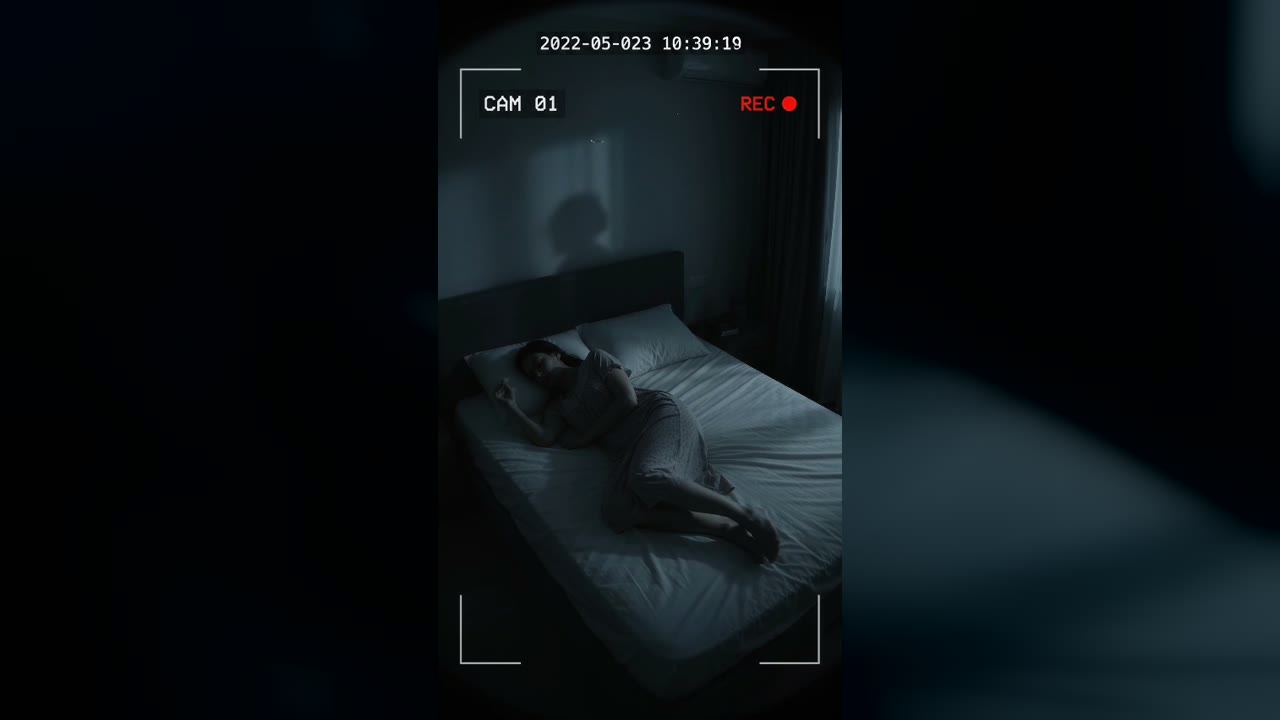
Bedroom Cam From 2022 Shows a Shadow Figure on the Wall Before the Feed Cuts to Static
Marlow Bend, Ontario, Canada · May 23, 2022 · 10:38 PM
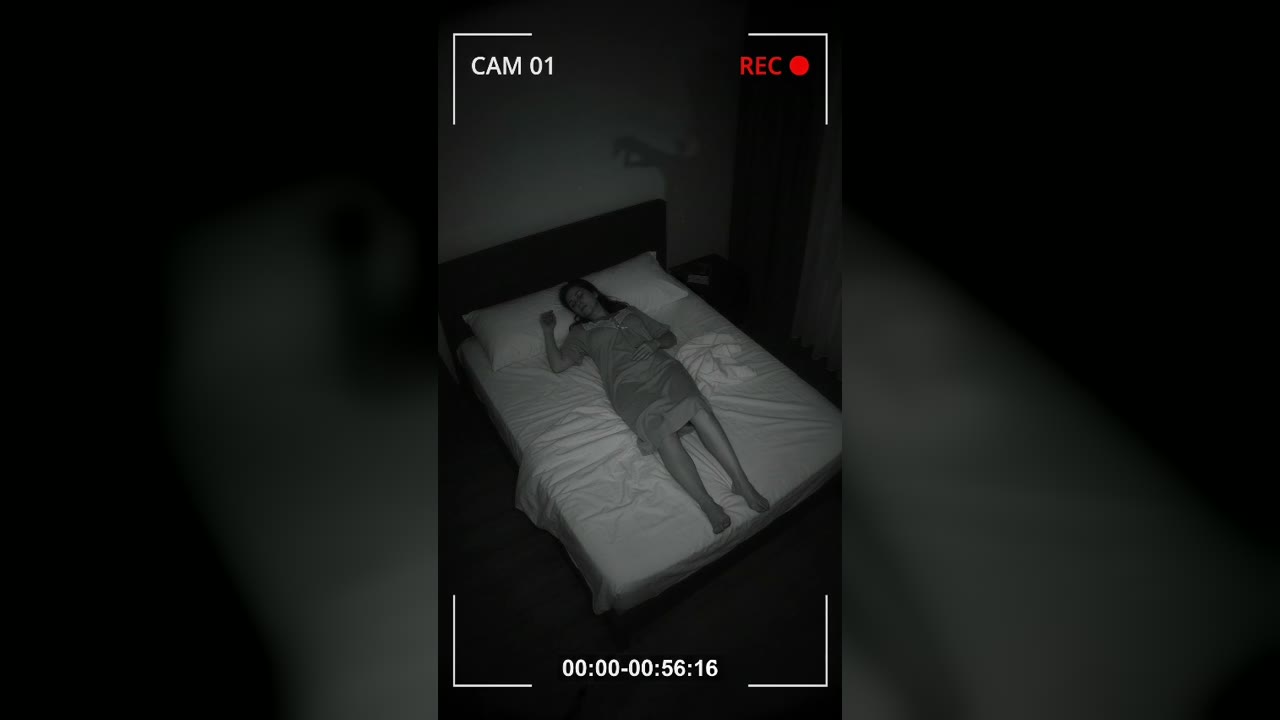
Bedroom Cam Records a Shadow Hand Above a Sleeping Woman's Headboard
Halberd Creek, Oregon, USA · Aug 27, 2026 · 03:14 AM